
Life science, explained simply
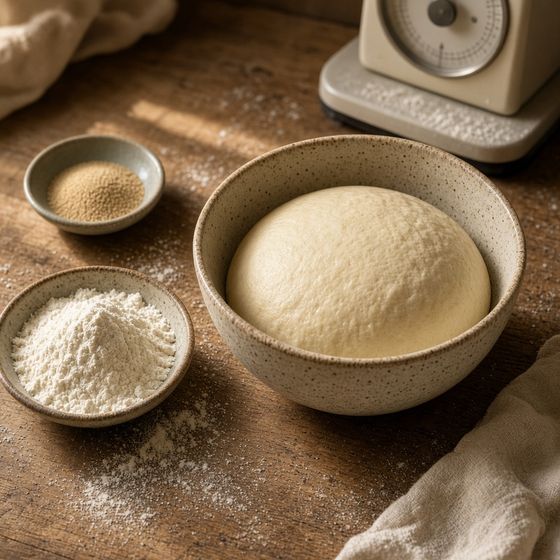
Biotech starts in the kitchen
Yeast in bread, cultures in yoghurt, enzymes in cheese and seedlings grown in jars: biotechnology is the use of living things, or the molecules they make, to do useful work. Umoyo Biotech explains how it works, one plain guide at a time.
Start with fermentationThree ages of biotechnology
- Thousands of years ago
Ancient
People learned to bake leavened bread, brew beer, make cheese and ferment vegetables long before anyone knew microbes existed.
- 1900s
Classical
The word “biotechnology” appeared in 1919. Large steel tanks began growing microbes to make acids, solvents and, from the 1940s, antibiotics.
- 1953 onwards
Modern
The structure of DNA was described in 1953. Cutting and joining genes followed in 1973, and precise gene editing tools arrived in 2012.
Zoom from a leaf to DNA
Biotech works at sizes far smaller than the eye can see. Slide down the scale.
A leaf about 10 centimetres
Big enough to hold. Made of millions of cells.
Guide one
Fermentation, the oldest biotech
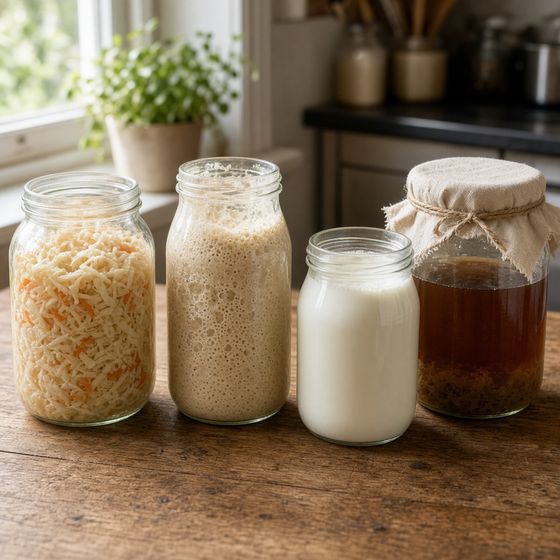
Fermentation is what happens when microbes such as yeasts and bacteria break down sugars without much oxygen. Depending on the microbe, the result is carbon dioxide, alcohol or acids, and with them the rise of bread, the tang of yoghurt and the sourness of sauerkraut.
How fermentation worksGuide two
Enzymes you have already met
Enzymes are proteins that speed up chemical reactions. Industry grows microbes to make them in bulk, and they quietly do jobs all around the house.
- AmylaseBreadBreaks starch into sugars that yeast can feed on.
- ChymosinCheeseCurdles milk. Much of it is now made by microbes rather than taken from calves.
- PectinaseFruit juiceBreaks down pectin so juice runs clear and presses easily.
- ProteaseLaundryDigests protein stains such as egg and grass at low temperatures.
- LactaseMilkSplits milk sugar, used to make lactose-free milk.
- CellulaseDenimSoftens and fades jeans in place of pumice stones.
Guide three
Growing a field from a jar
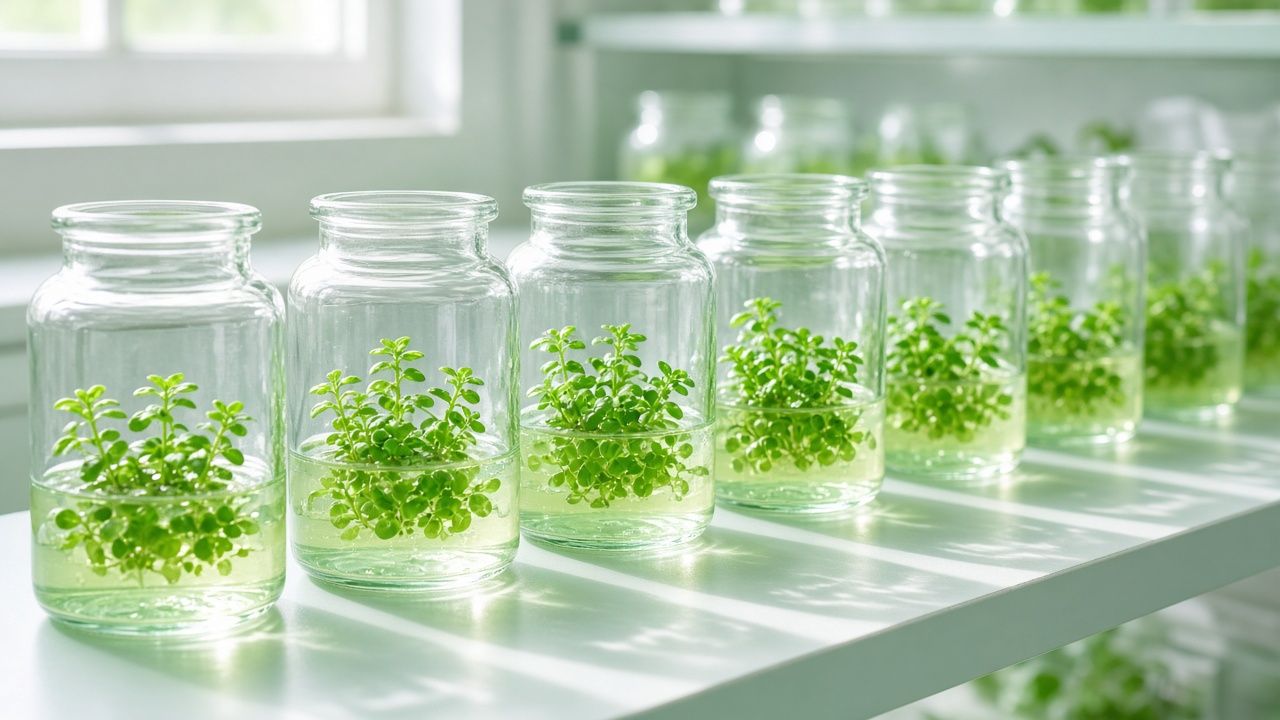
Plant tissue culture grows new plants from tiny pieces of a parent plant on a sterile gel. One healthy banana, cassava or sweet-potato plant can become thousands of identical, disease-free plantlets for farmers.
Plant biotech also includes marker-assisted breeding, which uses DNA tests to speed up conventional breeding, and genetic engineering, which is regulated differently from country to country.
Plant biotech explained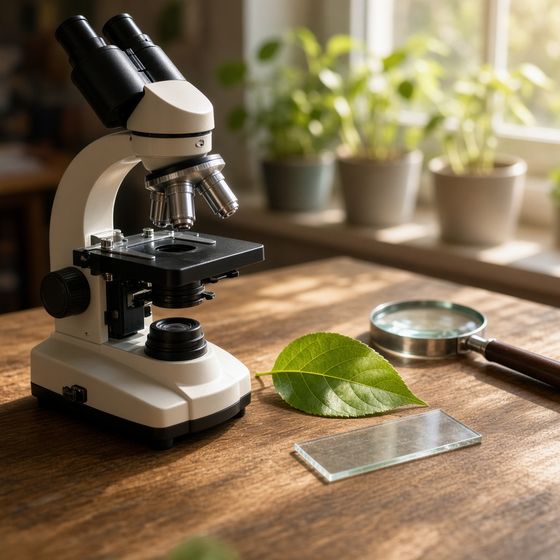
From the bench to the bread bin
A short biotech glossary
DNA
The long molecule that carries the instructions for building and running a living thing.
Gene
A stretch of DNA that holds the instructions for one product, usually a protein.
Enzyme
A protein that speeds up a particular chemical reaction without being used up.
Strain
A genetically uniform line of a microbe, such as one particular baker's yeast.
Bioreactor
A vessel that keeps cells or microbes at the right temperature, acidity and oxygen level while they grow.
Tissue culture
Growing cells or small plant pieces on a sterile nutrient medium.
CRISPR
A gene-editing tool, adapted from a bacterial defence system, that cuts DNA at a chosen spot.
Is this a company?
No. Umoyo Biotech is a free reading guide. It does not sell products, services or treatments.

Science that ends up in the field
How clean planting material and careful breeding reach farms.
Plant biotech